Project overview
This project focused on manufacturing systems integration for final assembly lines in truck production, including a complete truck assembly line and a dedicated cab assembly line.
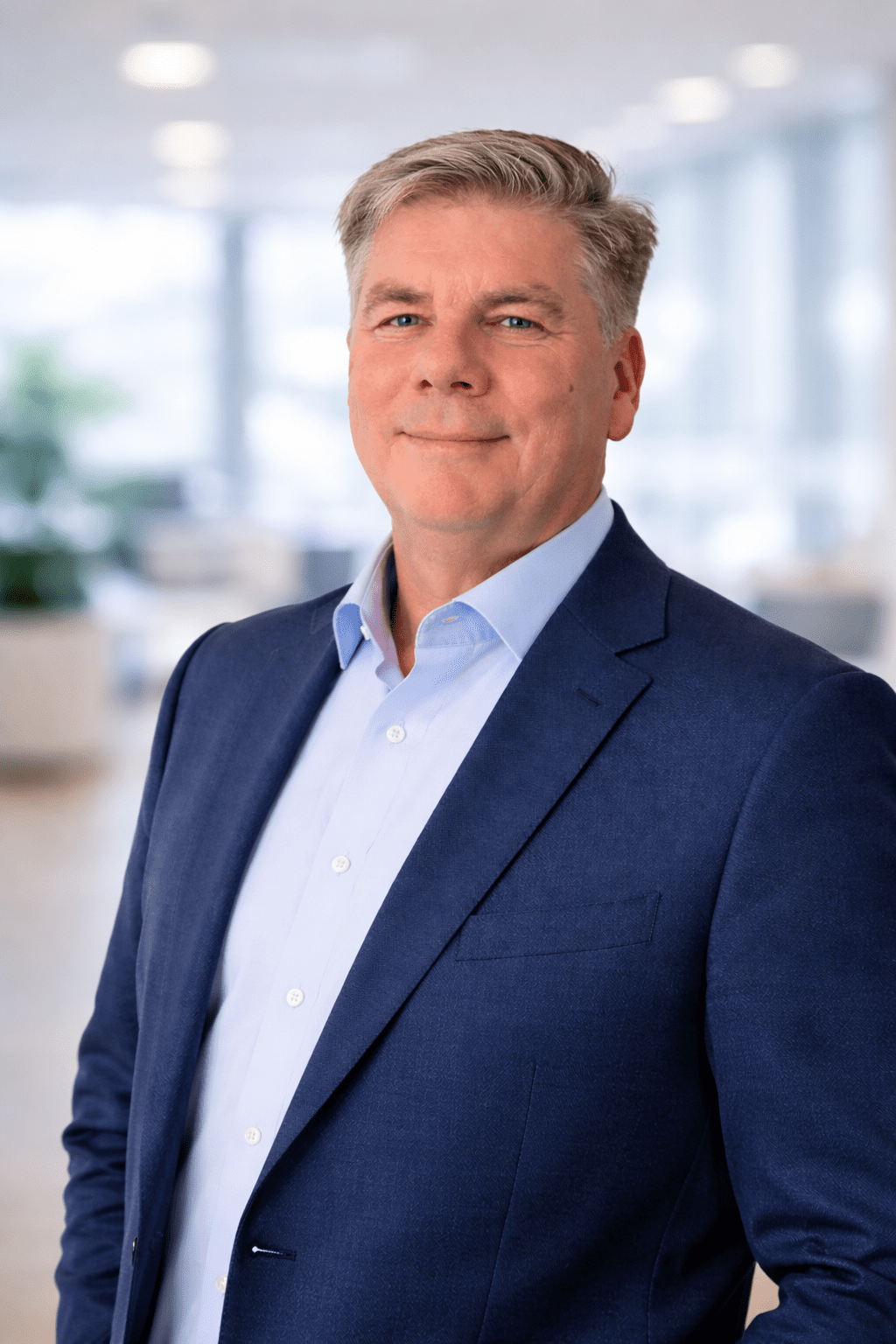
Søren Clausen was responsible for project management across key parts of the setup, including the design and manufacturing of carriers for chassis, main line, and cab handling. The assignment also covered RFQ responsibility, control system scope, installation planning, and coordination across multiple technical interfaces.
The overall objective was to create a robust final assembly setup that could be installed, tested, and brought into production on time while reducing bottleneck risk, improving production flow, and strengthening integration between mechanical systems, controls, and factory information systems.
Bottelneck optimization
Client type: Truck manufacturer
Focus: Manufacturing systems integration
Core area: Final assembly and cab assembly
Role: Project Manager
The challenge
The project required more than line design alone. It involved coordinating mechanical systems, control systems, production flow, installation timing, and information interfaces in a complex truck production environment.
A central challenge was to move RFQ and purchase order timing forward by two months in order to protect the installation schedule and make completion possible on time. At the same time, the assembly concept had to be refined to reduce the risk of bottlenecks and line stops during operation.
The setup also required reliable coordination between carriers, chassis handling, robot cell interfaces, Andon integration, operator information screens, and ERP-based order information. Reducing interface risks early was essential to keeping the final assembly lines on track.
Schedule pressure
RFQ and PO timing had to move forward to protect installation and completion.
Complex system interfaces
Mechanical systems, controls, robot cells, Andon, and ERP information had to work together reliably.
Flow and bottleneck risk
The line concept had to reduce bottlenecks, line stops, and imbalance across assembly stations.
Role and responsibility
Søren Clausen acted as Project Manager across the final assembly and cab assembly lines, while also leading the integration of the chassis squaring fixture machine.
This created a stronger link between line flow, system coordination, and interface control across the wider production setup.
Final assembly and cab assembly lines
Chassis squaring fixture machine integration
Scope of work
The project included:
RFQ responsibility
Responsible for the line RFQ, including control system scope.
Timing acceleration
Moved RFQ and PO timing forward by two months to protect installation timing.
Marriage concept improvement
Changed the marriage concept to reduce bottlenecks and avoid line stops.
Control system integration
Integrated controls with Andon and IT systems, including operator and order information.
Assembly station balancing
Developed a concept for balancing stations with error reduction as a key objective.
In-line repair concept
Integrated repair stations directly into the line.
Robot cell interfaces
Defined concepts for mechanical positioning units and electrical interfaces for robot cells.
Chassis squaring coordination
Managed interface risks between chassis carriers and the chassis squaring fixture machine.
Installation planning
Prepared the installation plan for all equipment in the final assembly areas.
Mechanical and controls installation
Responsible for installation of mechanical systems and controls in the main and cab trim lines.
How the project was approached
The project was approached with a strong focus on timing, interface control, and practical assembly flow.
One priority was to secure enough time for installation and completion by moving RFQ and purchase order timing forward. Another was to improve the line concept so that final assembly could run with lower bottleneck risk and better production flow.
The work also focused on stronger coordination between mechanical handling, control systems, ERP-based order information, operator support, and robot cell interfaces. This created a more robust basis for manufacturing systems integration across the final assembly setup.
01
Securing project timing
RFQ and PO timing were moved forward to protect installation and completion.
02
Improving line flow
The line concept was refined to reduce bottlenecks and line stop risk.
03
Coordinating interfaces
Mechanical, electrical, and control-related interfaces were aligned across the setup.
04
Supporting installation readiness
Planning and coordination helped prepare the lines for installation and test production.
Technical focus areas
A central part of the project was ensuring that the final assembly setup could function as an integrated production system rather than as disconnected mechanical and control elements.
Carrier design for final assembly
Carriers were developed for chassis, main line, and cab handling across the assembly flow.
Control system integration
The setup included coordination with Andon and IT systems, including operator screens and ERP-based order data.
Production line balancing
Assembly stations were balanced with error reduction and more stable flow as key objectives.
Robot cell and positioning interfaces
Mechanical positioning units and electrical interfaces were defined to support reliable robotic integration.
Interface risk reduction
Special attention was given to the interface between chassis carriers and the chassis squaring fixture machine.
This kind of project requires more than assembly line planning alone. It requires practical understanding of manufacturing systems integration, flow logic, interface control, and installation execution across a live industrial environment.
Results
The project was delivered with on-time installation and test production, creating a strong foundation for full production readiness in a complex truck production environment.
On-time installation
Installation and test production of the truck were completed on time.
20-month timeline
From start of RFQ work to installation and first trial truck build: September 2024 to June 2026.
24-month production readiness
The full setup was production ready after 24 months.
Reduced bottleneck risk
The line concept was improved to reduce line stops and bottleneck exposure.
Stronger systems integration
Mechanical systems, controls, carriers, and interfaces were aligned more effectively.
Better production flow foundation
The final assembly lines were prepared for more stable execution across main and cab assembly.
Operational impact
The value of the project was not only that the final assembly lines were delivered on time. It was also that the setup was built on stronger coordination between production flow, controls, interfaces, and installation planning.
By improving timing, reducing interface risks, and refining the line concept, the project created a more robust foundation for final assembly in truck production. This supported both earlier installation readiness and a stronger path to full production.
Need support with manufacturing systems integration or final assembly projects?
If your business needs support with final assembly lines, truck production systems, installation planning, or complex manufacturing systems integration, Søren Clausen can contribute with practical experience, technical understanding, and structured execution.